Discover

2025-26 NOFA highlights from a NOFA member

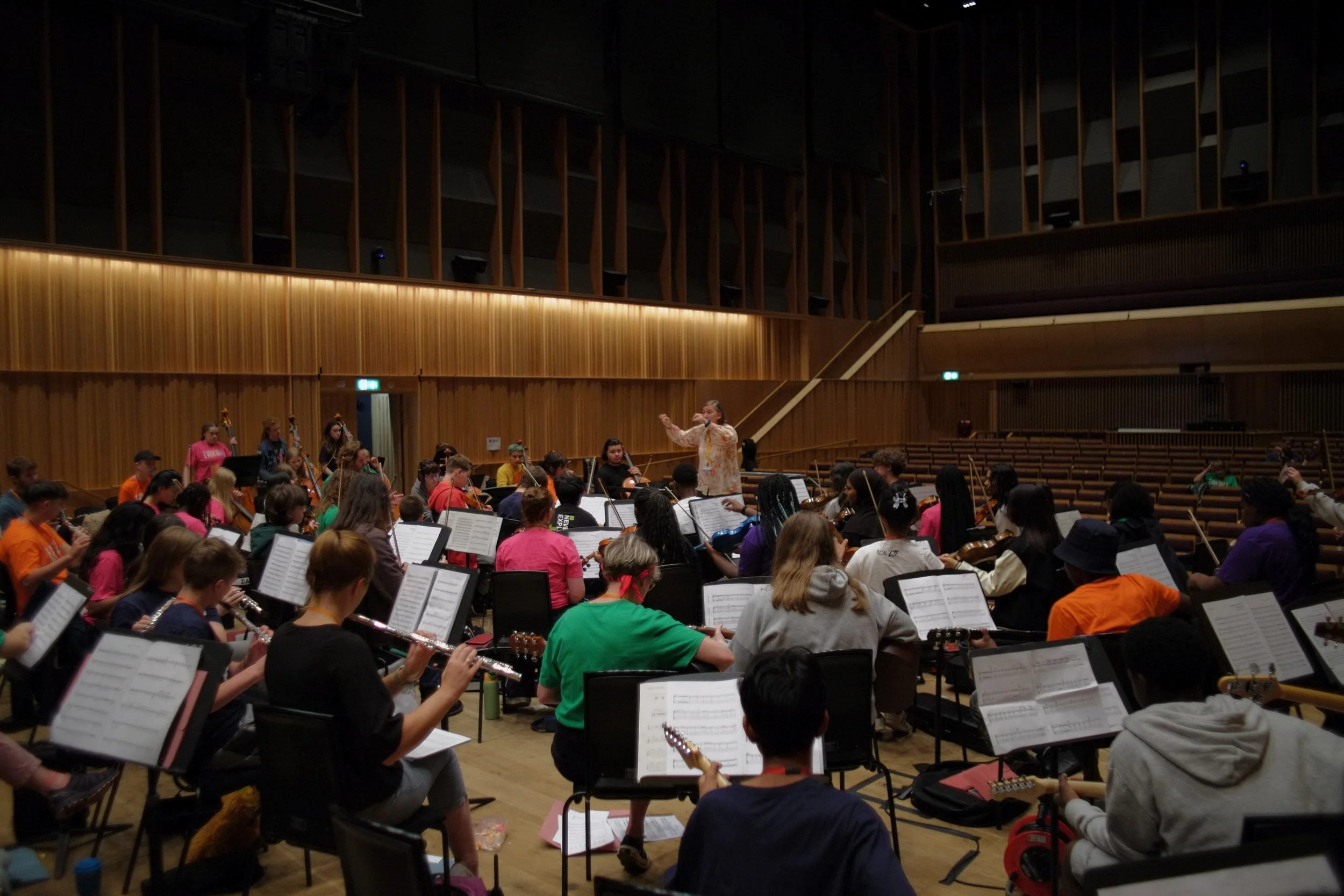
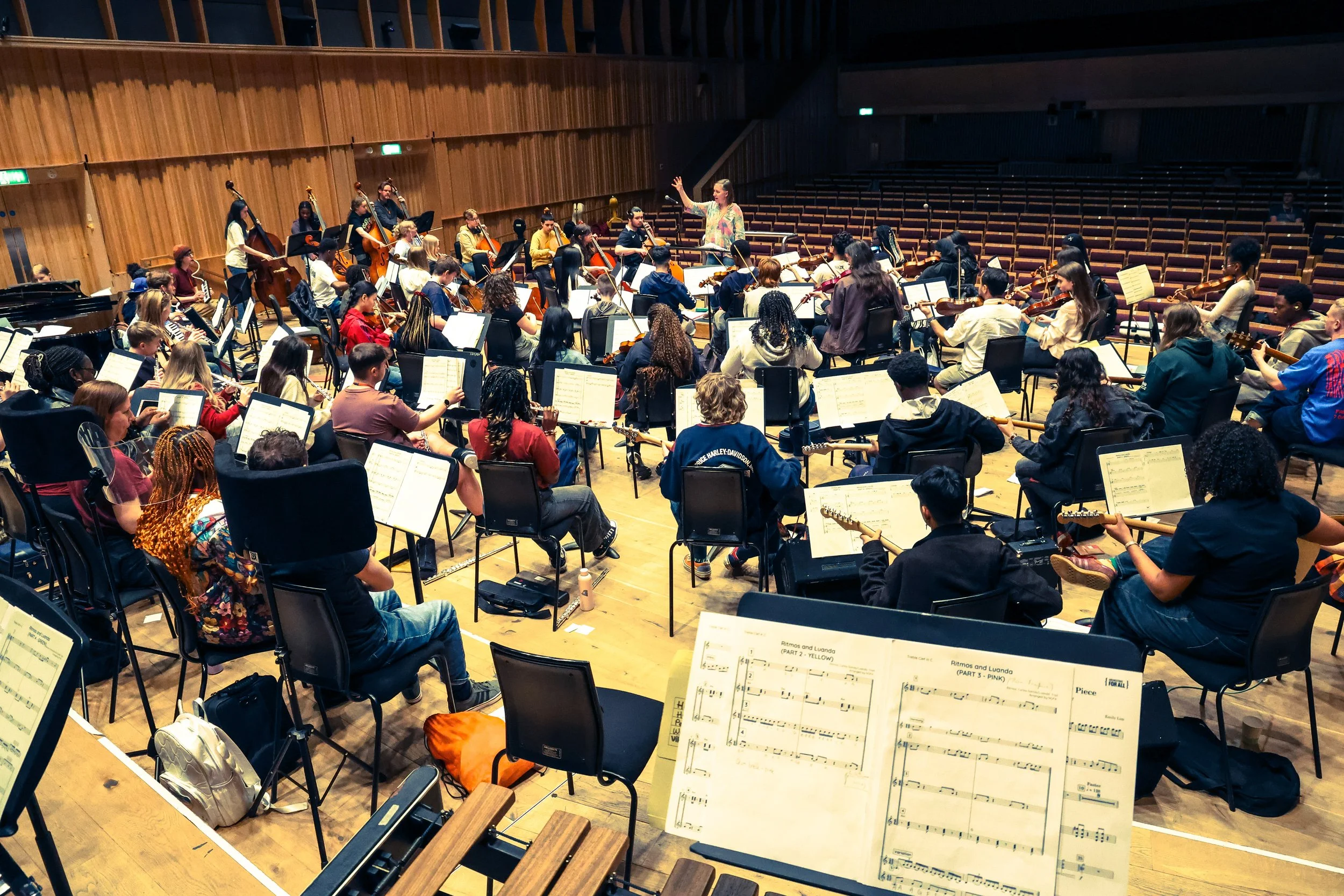
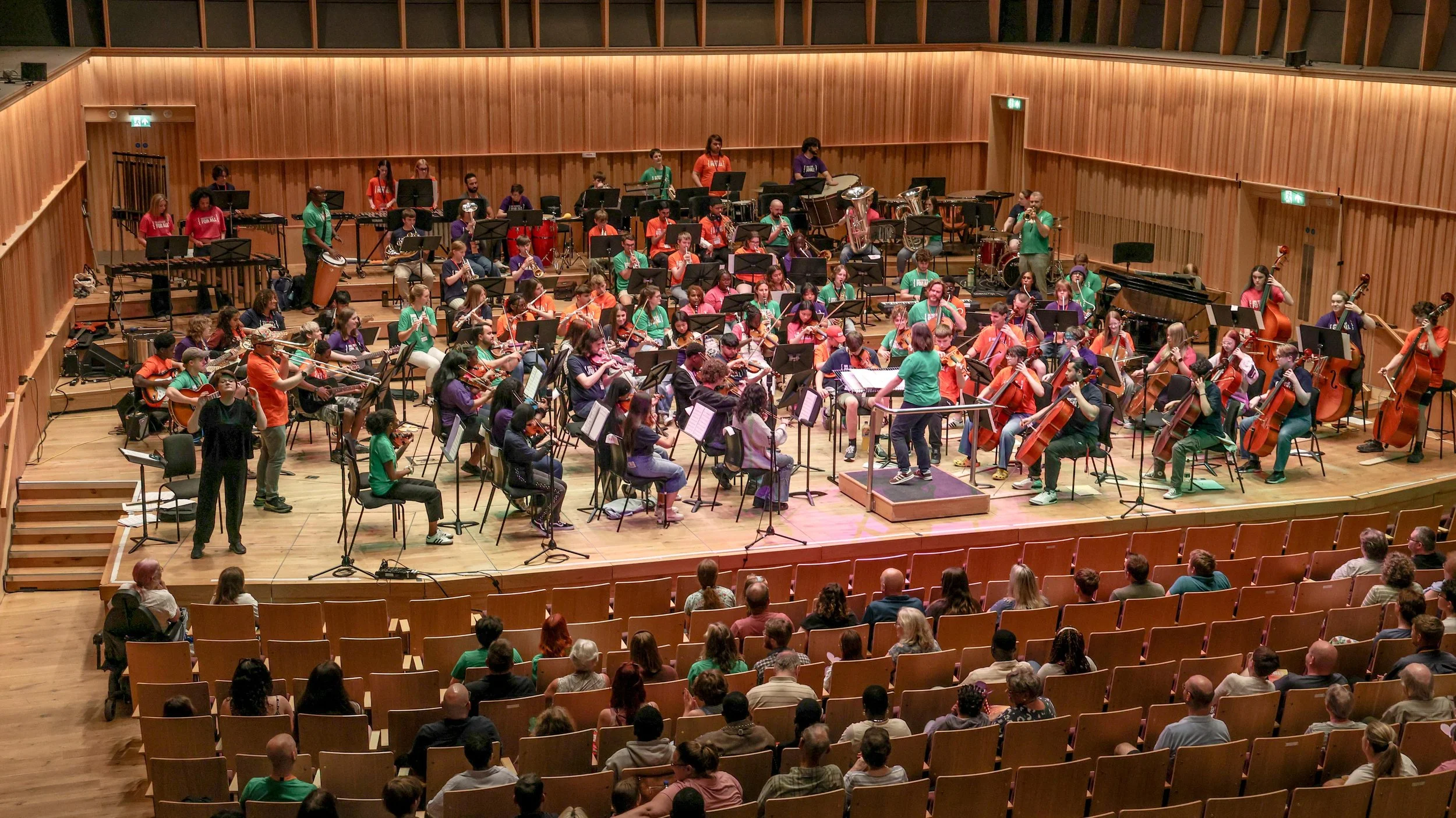
A full orchestra rehearsal of the National Orchestra for All

Written by Khadijah - NOFA member, 2025-26

NOFA creates an inclusive community where passion always matters more than background, taking us on a journey from playing with like-minded musicians to inspiring the younger generation. As a member since 2023, watching our musical family grow during the 2025-2026 season has been an incredible experience. Now that the curtains have closed, these are the highlights that stole my heart.
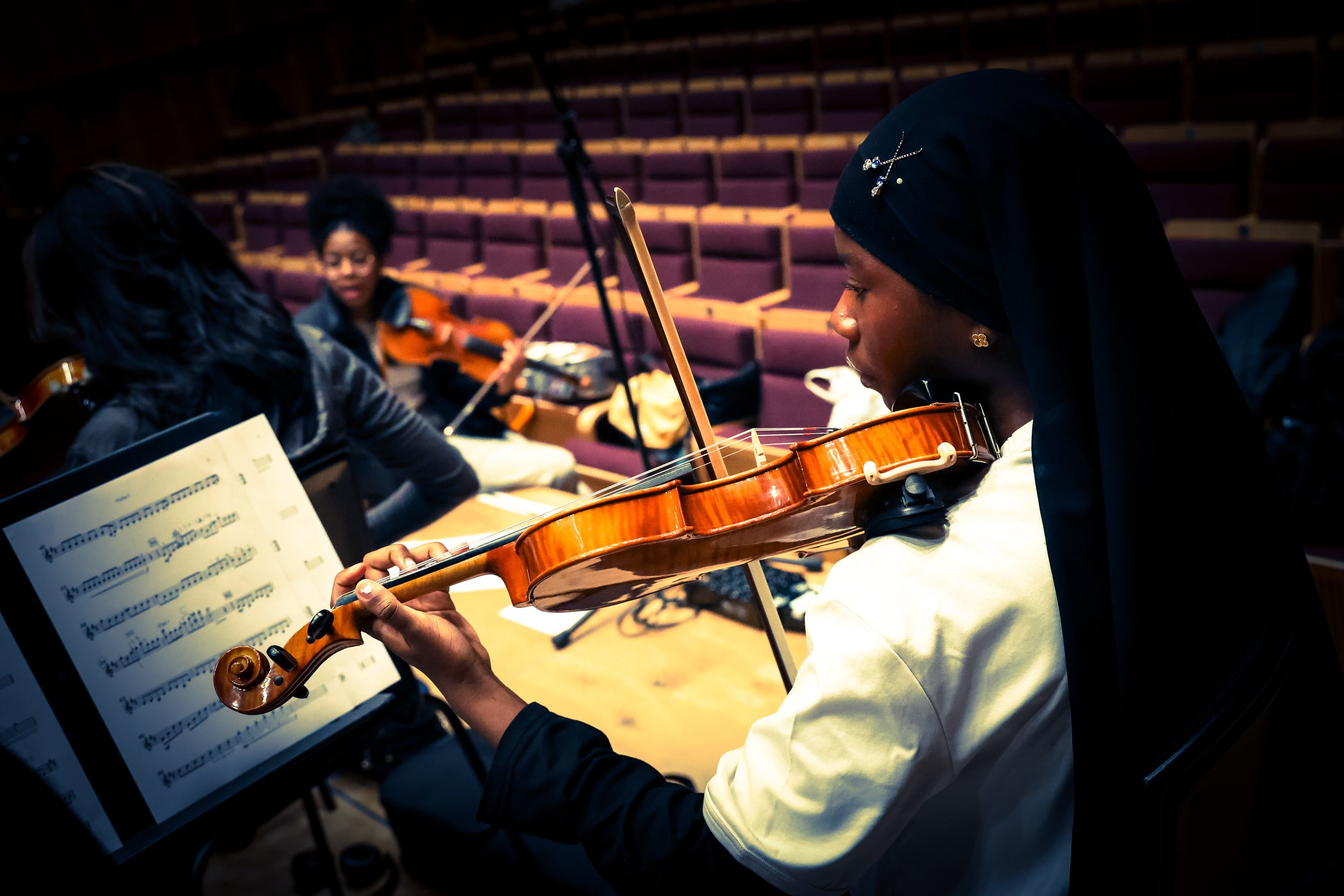
NOFA feels like a second home because members travel from all over the UK to meet in Birmingham, turning a group of strangers into a close family. The instant warmth, when we reunite and seeing familiar faces again brings us together like we never left. One of my favourite things is to see how quickly new members become part of the group, transforming from nervous newcomers into lifelong friends within a matter of hours.

For me, community isn’t just about sitting in the same orchestra; it’s about supporting each other through every note. Despite coming from different backgrounds, we are all united by our shared love and passion for music. As we join together for our first rehearsal, this collective energy blends beautifully into a single, unified orchestral voice.
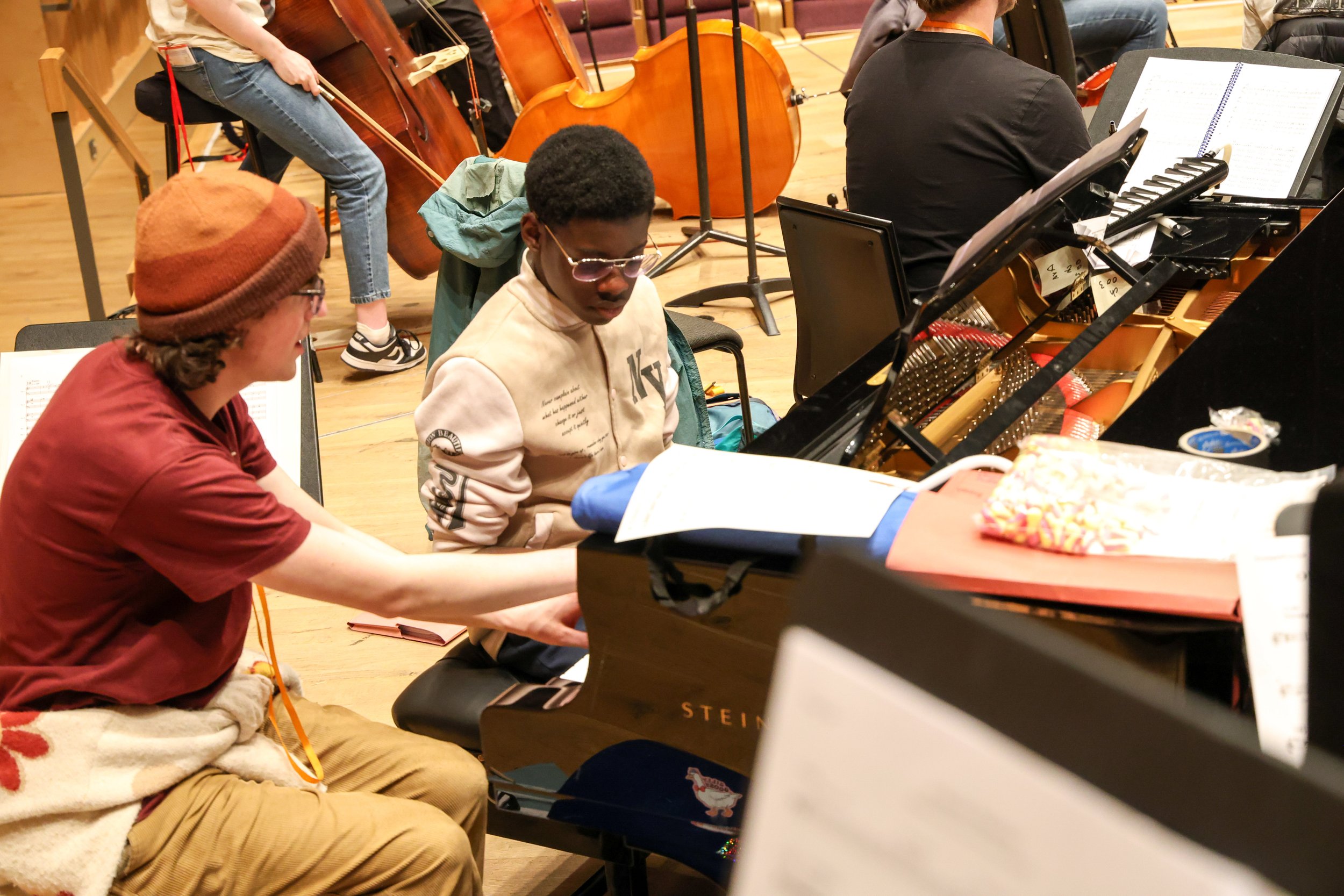
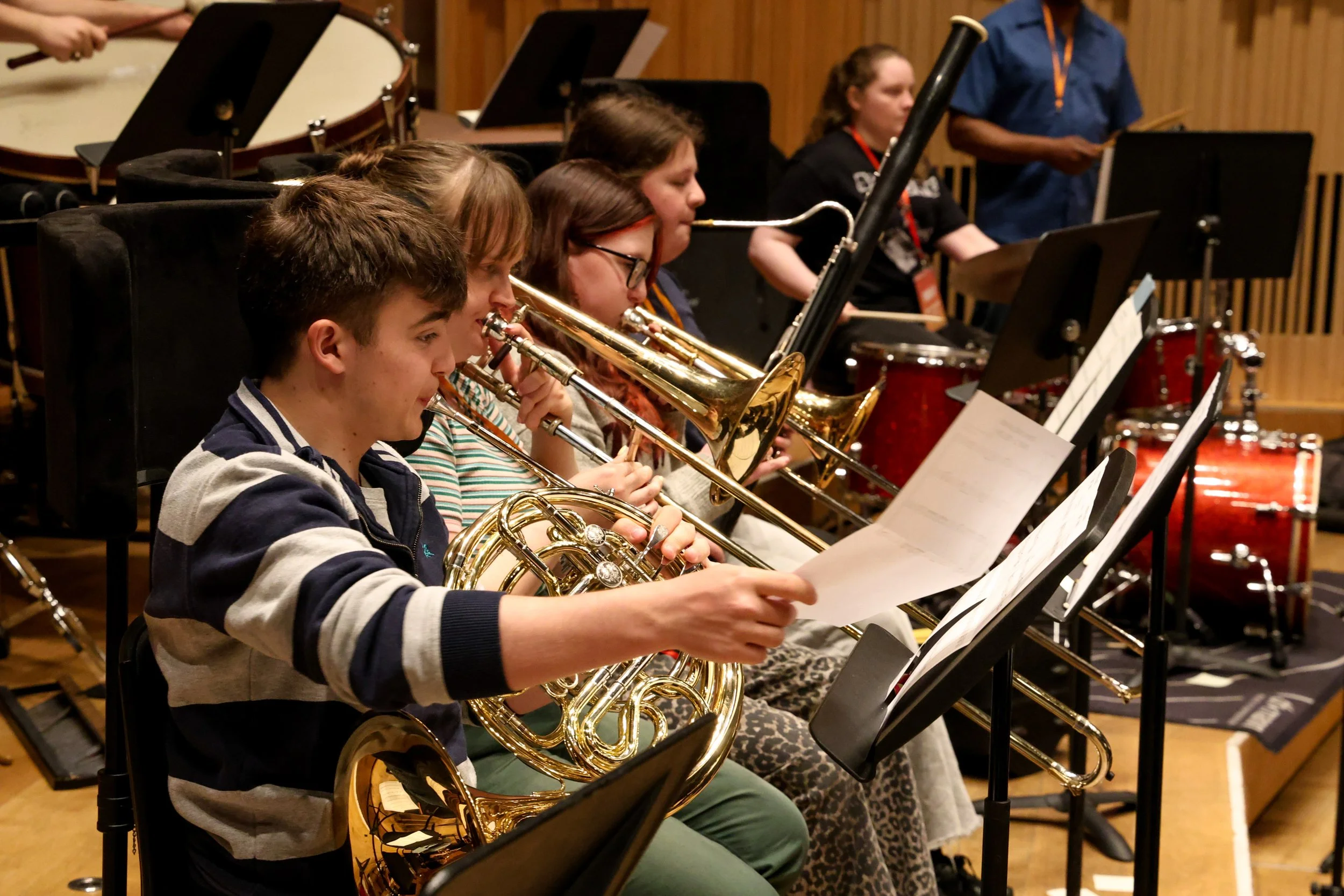
Music is the heart of NOFA, which is the powerful thread that weaves our diverse community together. Rehearsing side-by-side helps everyone settle into the rhythm of the season, breaking down barriers through shared creativity. One piece that quickly became a favourite was ‘This is Berk’. It brought a thrilling cinematic energy, filling the entire orchestra with an excitement and joy that transported us straight into the heroic world of How to Train Your Dragon. It was exciting to hear an old NOFA favourite ‘A Keelie Makolay’, being brought back after many years.

Personally, this piece not only allowed orchestra members to showcase their musical talent through overlapping solo entries, but it also deeply reinforced our sense of community through the integrated BSL, dancing, and singing. An unforgettable musical moment was being trusted to play the clarinet solo in Dvořák’s Symphony No. 9. Among all the wonderful pieces we explored this season, having this specific moment to lead the melody allowed me to proudly showcase my musical growth and connect deeply with the full orchestra.
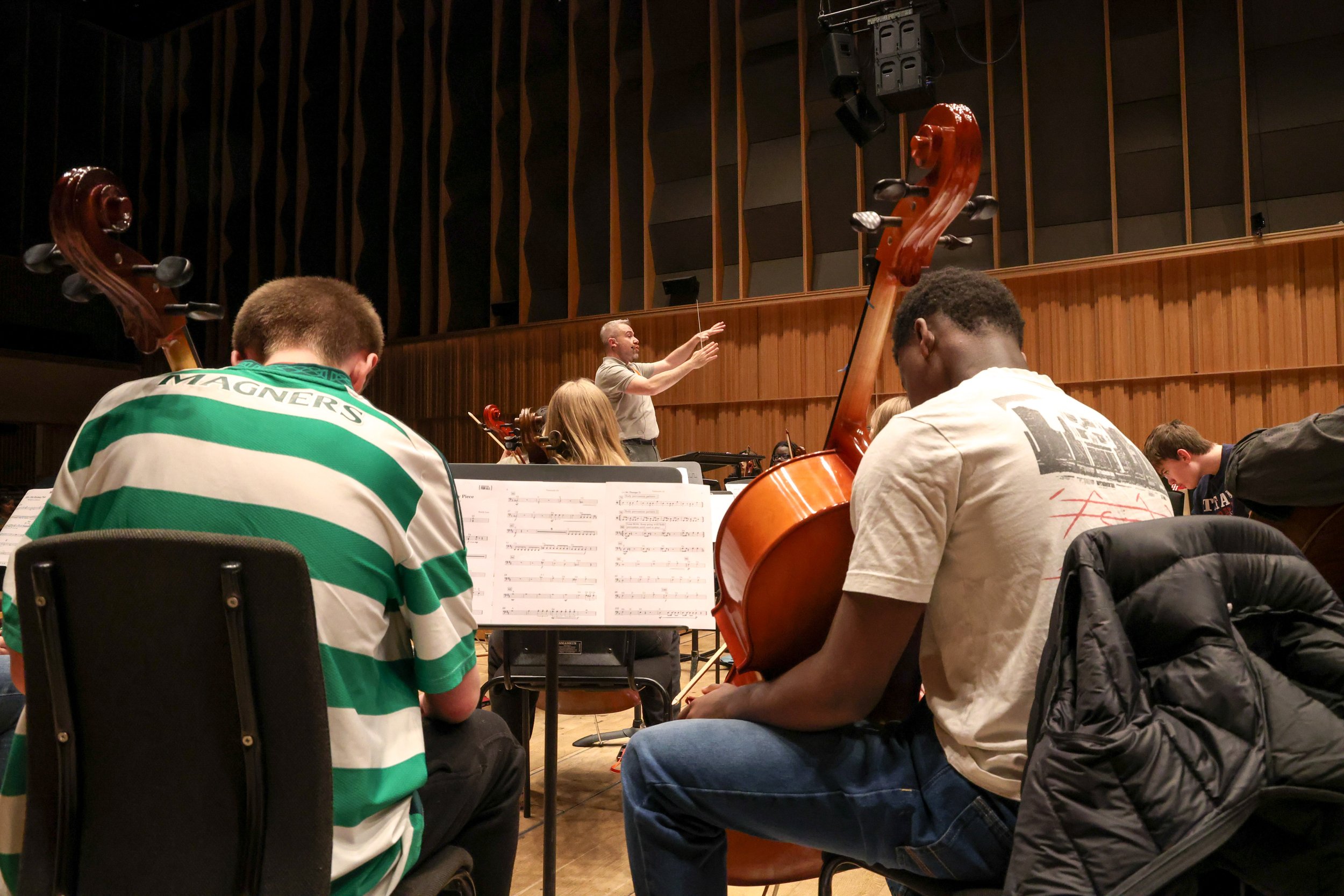
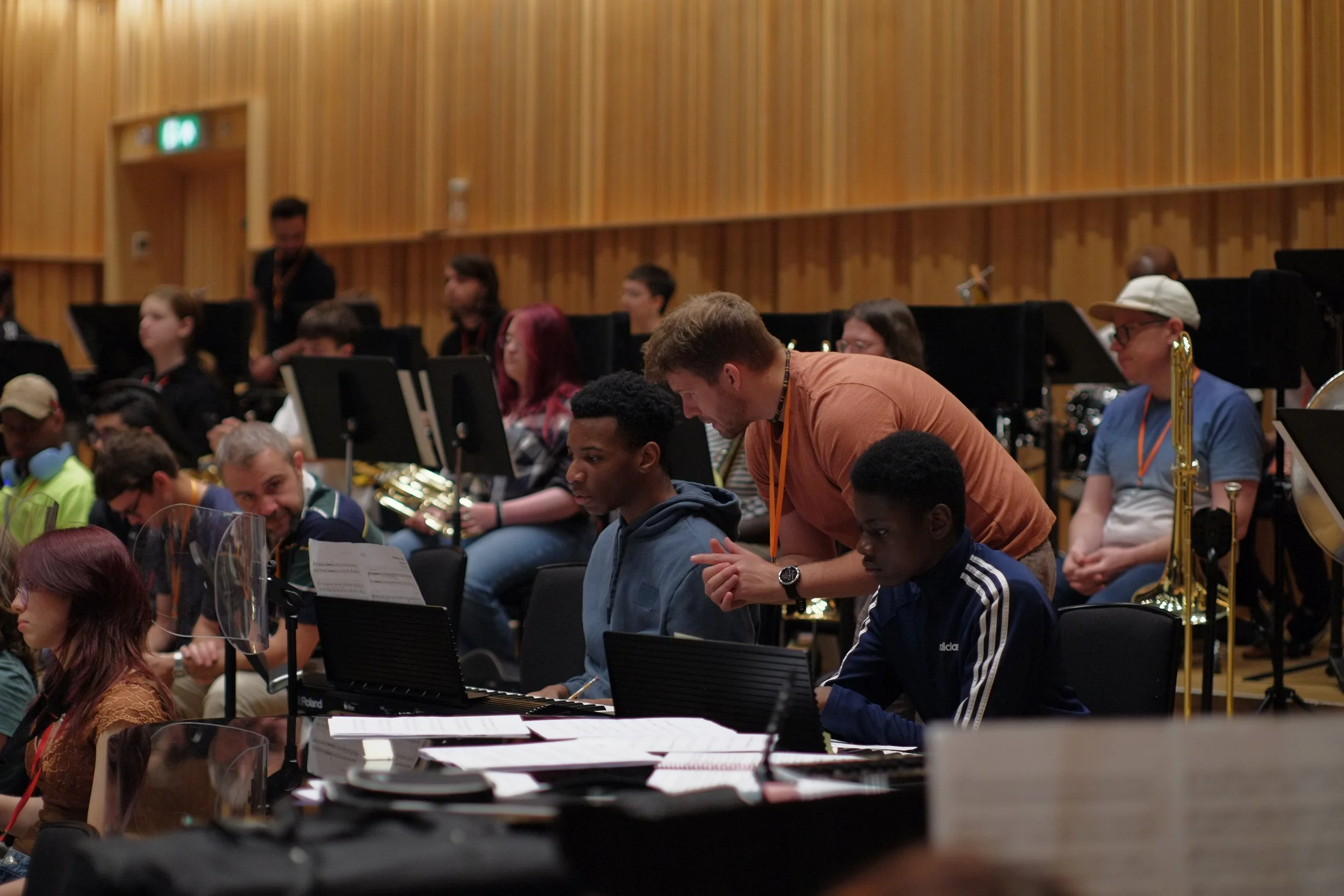
While the music we create is unforgettable, our journey doesn’t stop at the final note. NOFA isn’t just a place where young people come to play music; it’s a community where tutors don’t just teach you notes, they build your confidence, celebrate your identity and give you a voice. One thing that separates NOFA from many other musical opportunities is the care it shows for its musicians beyond the residential. For me, one of the most important aspects of NOFA is the way they recognise our emotions and lives outside of performance, helping us step back, reflect and feel truly supported.

In the same way, having opportunities to develop practical talents outside of our instruments is incredibly meaningful because it gives us tools, we can use in the real world. The creative workshops further enhance this experience, allowing us to explore different forms of creativity like improvisation, music technology or conducting. Ultimately, the confidence and support we gained from these sessions built the perfect foundation for our youth voice.
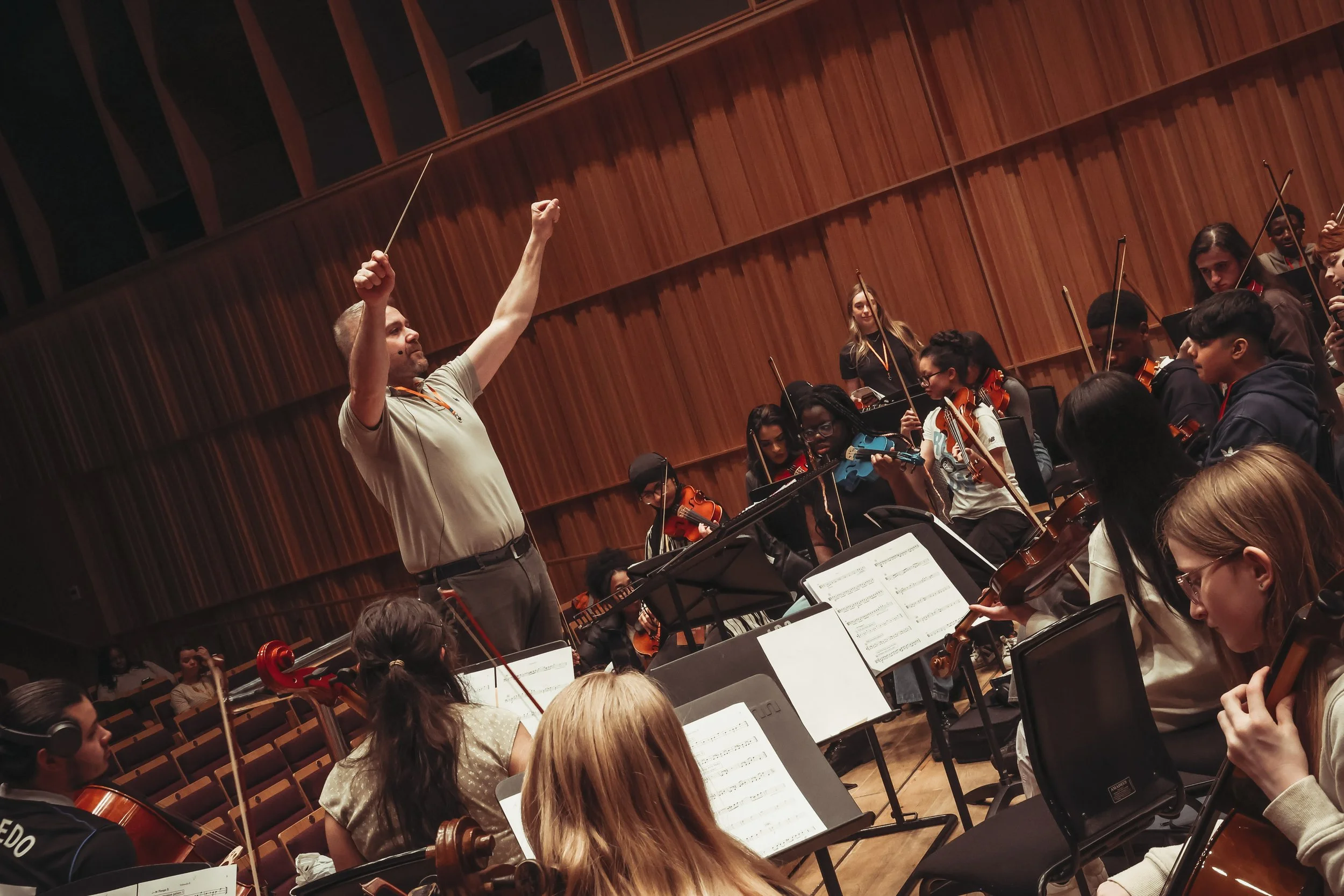
Another important part of this season was seeing young people take on leadership roles, helping run morning warm-ups and presenting the final concert, showing how deeply youth representation is embedded into everything we do. The Recital Evening was a perfect example of this community spirit, offering a platform where members could freely showcase their individual talent and diverse musical styles.

Having these opportunities to lead and contribute taught us that our voices, ideas and creativity genuinely matter in a professional musical environment. Spring Morning was particularly meaningful because, as a young musician, witnessing Christian’s NOFA alum piece come to life through the beautiful integration of music and visual arts was an incredibly inspiring experience.
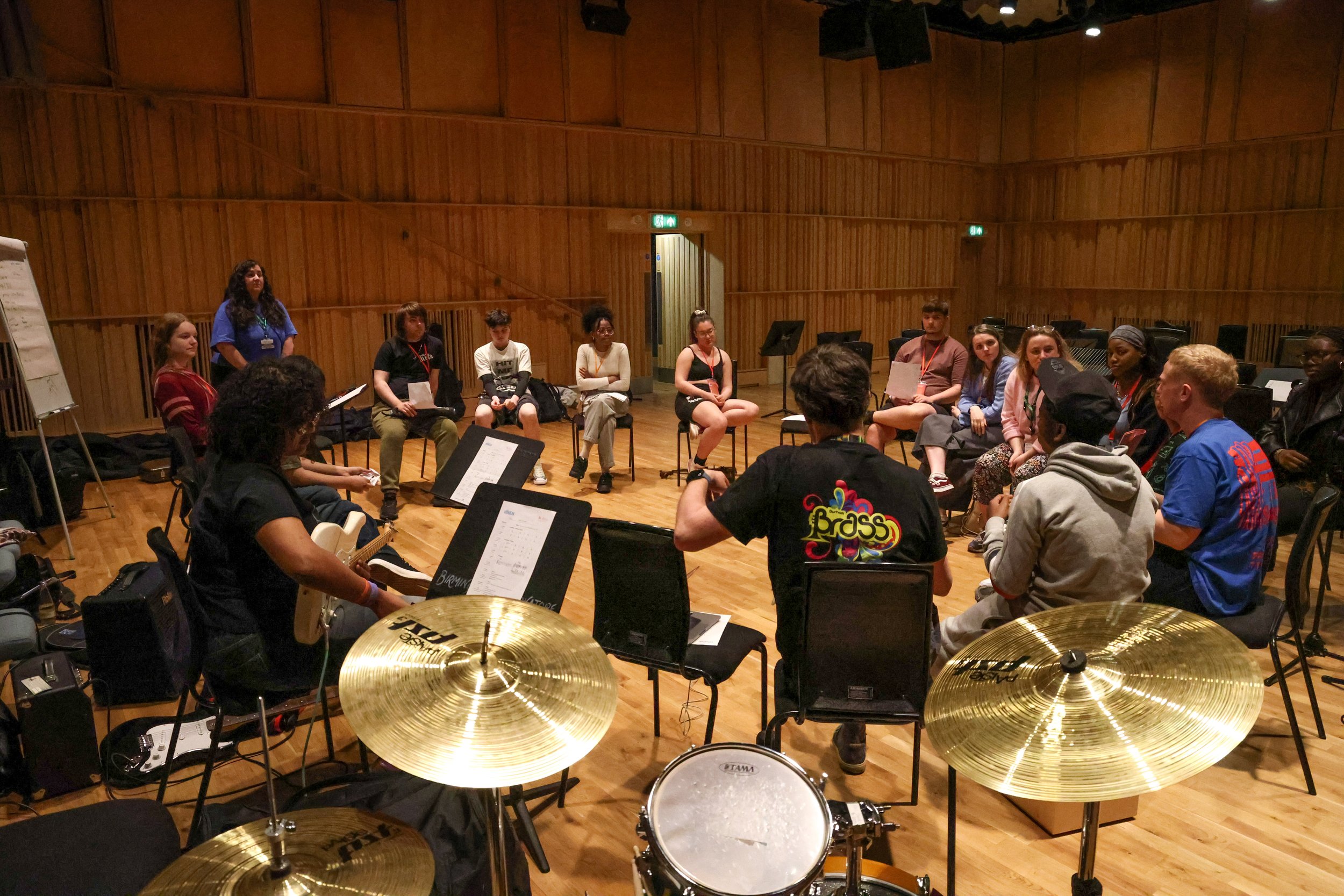
Being part of OFA’s 15th anniversary celebrations made this season particularly special because every single NOFA member got the chance to truly feature in ‘Crystal Kingdom’ by sharing our own ideas on what it should include. Sitting in the orchestra at the very end of the season, hearing and seeing all our hard work come to life was an incredible feeling.

The moment was made even better when Christian received a massive, well-deserved round of applause from the entire room. Performing the final concert for our families and friends allowed them to see exactly what we achieved together, creating a beautiful conclusion to the season that reminded me that young musicians are not just the future of organisations like OFA; we are the heart of it right now.
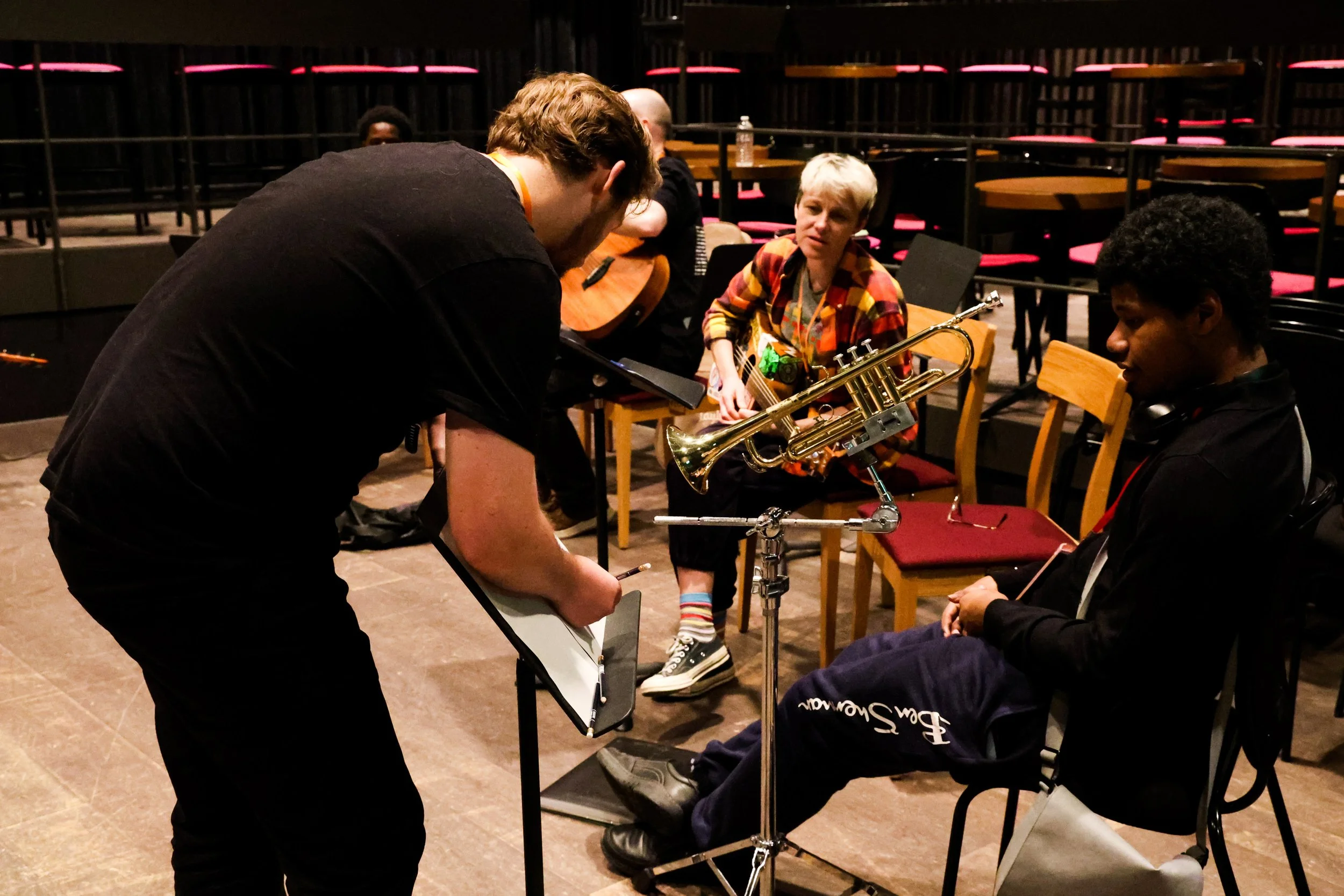
Looking back on this season, I think it was special because it allowed us to grow not just as individual musicians, but as an entire creative family. It reminded me exactly why I keep coming back, combining amazing music, leadership opportunities and an unforgettable celebration of our shared community. As another season comes to an end, I’m excited to see what the next season brings.


About NOFA

NOFA is our inclusive, non-auditioned national youth orchestra. Each season it brings together 100 young people from all four corners of the UK. NOFA members come from all backgrounds, at any stage in their musical journey, playing any instrument they choose. 

We want to make sure that cost isn’t a barrier to participating, so everything is covered when a young person joins NOFA, including their food, travel, accommodation and tuition.  

Recruitment for our next NOFA season is now open!
A look back on the 2025-26 NOFA season

Written by Jenny Forbes - NOFA Programme Manager

In July 2026, we celebrated the end of another successful National Orchestra for All (NOFA) season with a four-day residential filled with music, friendships and two incredible concerts for local families and primary schools. As we enter a quieter period while we recruit the next cohort (visit National Orchestra for All — Orchestras for All to apply!), it’s the perfect time to reflect on all that our NOFA members and team achieved during the 2025 – 2026 season.

Our first residential of 2025 saw us welcoming 42 new young people to NOFA, as well as 58 returning members. They travelled from all over the country to join us – from Aberdeenshire to London, Belfast to Gateshead, and everywhere in between! Of course there were some nerves about spending four days away from home, meeting new people and learning new music, but my highlight from spring was seeing how quickly everyone settled into the course and how many new friendships were formed in those first few days together. 

We started the season’s repertoire strong with A Keelie Makolay, a traditional Ghanian playground song and favourite of past NOFA members; Ritmos Ciganos, a Latin-American piece by Carlos Garcia that we learned by ear; and Spring Morning, an amazing new composition for NOFA written by one of our alums, Christian. We also launched a whopping twelve creative workshops for NOFA members that continued throughout the season, including music technology, visual art, conducting, choir, improvisation and folk music. 

In Summer 2025, we added to more pieces to our repertoire, both chosen by the cohort. The first was the epic ‘This is Berk’ from the DreamWorks film How to Train Your Dragon, and the second was the dramatic fourth movement from Dvorak’s 9th Symphony. 

A personal highlight for me during Summer 2025 was the orchestral and wellbeing team reflection meetings. It was so special to hear each tutor’s ‘magic moment’ from the course, and it was a chance to celebrate the many ways in which they’d supported the NOFA members to develop. I’d like to thank our incredible tutor team for always creating an environment where so many magic moments can happen! 

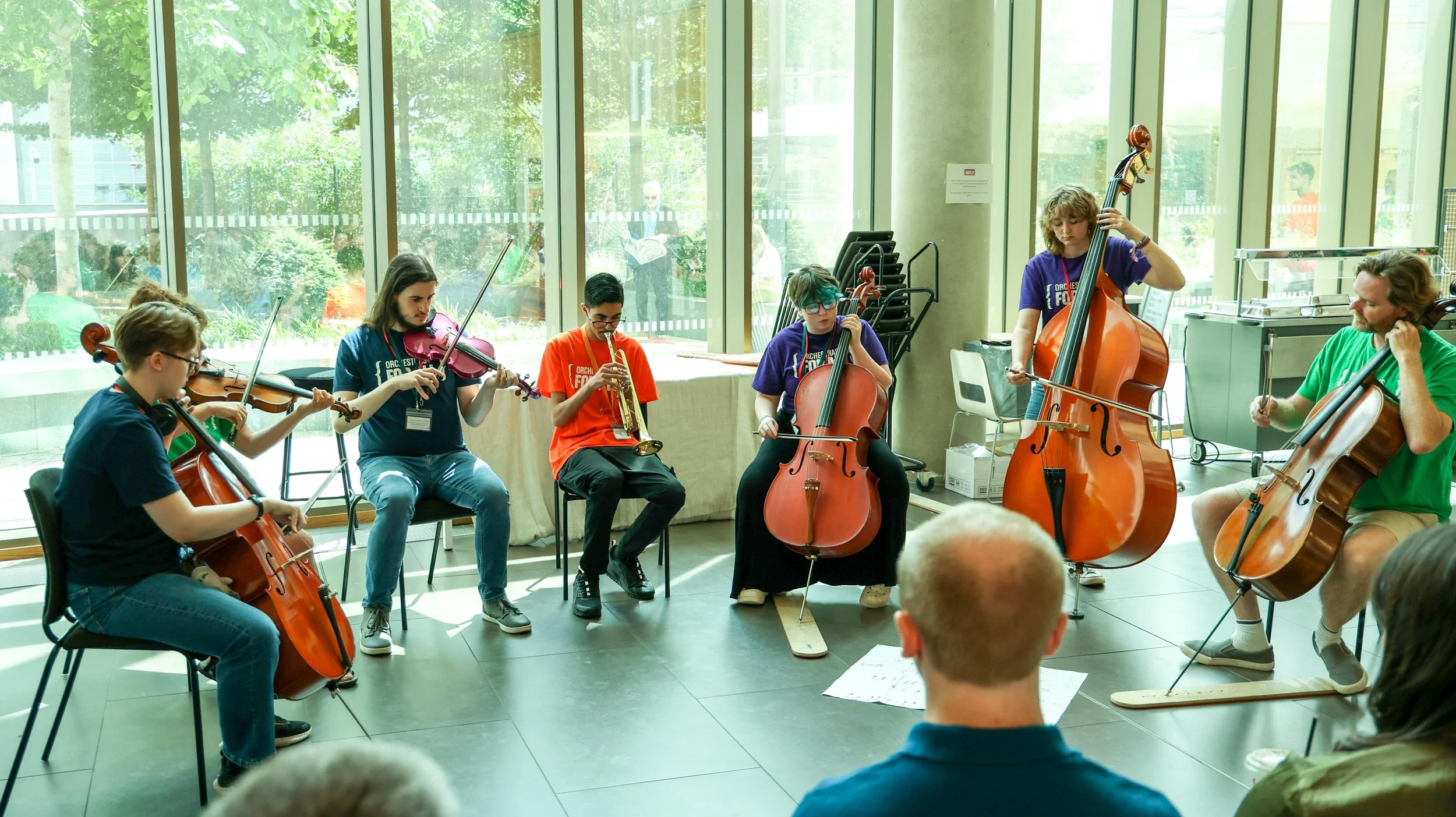
In Autumn 2025, we hosted three regional events in London, Sheffield and Glasgow. We collaborated with Kyle McInnis from Kinetika Bloco – a London-based youth music organisation that specialise in carnival performance. We combined Ritmos Ciganos with Eu Vou La Para Luanda (a favourite piece of Kinetika Bloco’s), practiced learning by ear, created our own music, and explored movement in our performance. My highlight from the regionals was the creative workshops – it was so special to see the NOFA members’ musical ideas showcased in the final performances. 

In Spring 2026, we added our final piece to the repertoire: ‘Crystal Kingdom’, a commission by Emily Lim to celebrate OFA’s 15th (Crystal) anniversary. This was a particularly exciting piece because Emily used ideas from the young people to create it, and it was named by them too. 

We also started offering life skills sessions during Spring which was a highlight for me. I loved watching the NOFA members explore the sessions that they were interested in and learn from the incredible skills and experiences of our tutor team in new ways. 

The season culminated in our Summer 2026 residential. The four days were spent celebrating all we had achieved, and we got to share the celebrations with hundreds of audience members at our family and primary school concerts. My favourite moment of the season has to be these concerts! The young people led the way, hosting pop-up performances in the café, facilitating drop-in workshops, presenting the concerts beautifully, and creating a visual art film to accompany Spring Morning. I particularly enjoyed seeing Christian, our alum composer, receive his well-deserved round of applause for the premier of Spring Morning!


About NOFA

NOFA is our inclusive, non-auditioned national youth orchestra. Each season it brings together 100 young people from all four corners of the UK. NOFA members come from all backgrounds, at any stage in their musical journey, playing any instrument they choose. 

We want to make sure that cost isn’t a barrier to participating, so everything is covered when a young person joins NOFA, including their food, travel, accommodation and tuition.  

Recruitment for our next NOFA season is now open!
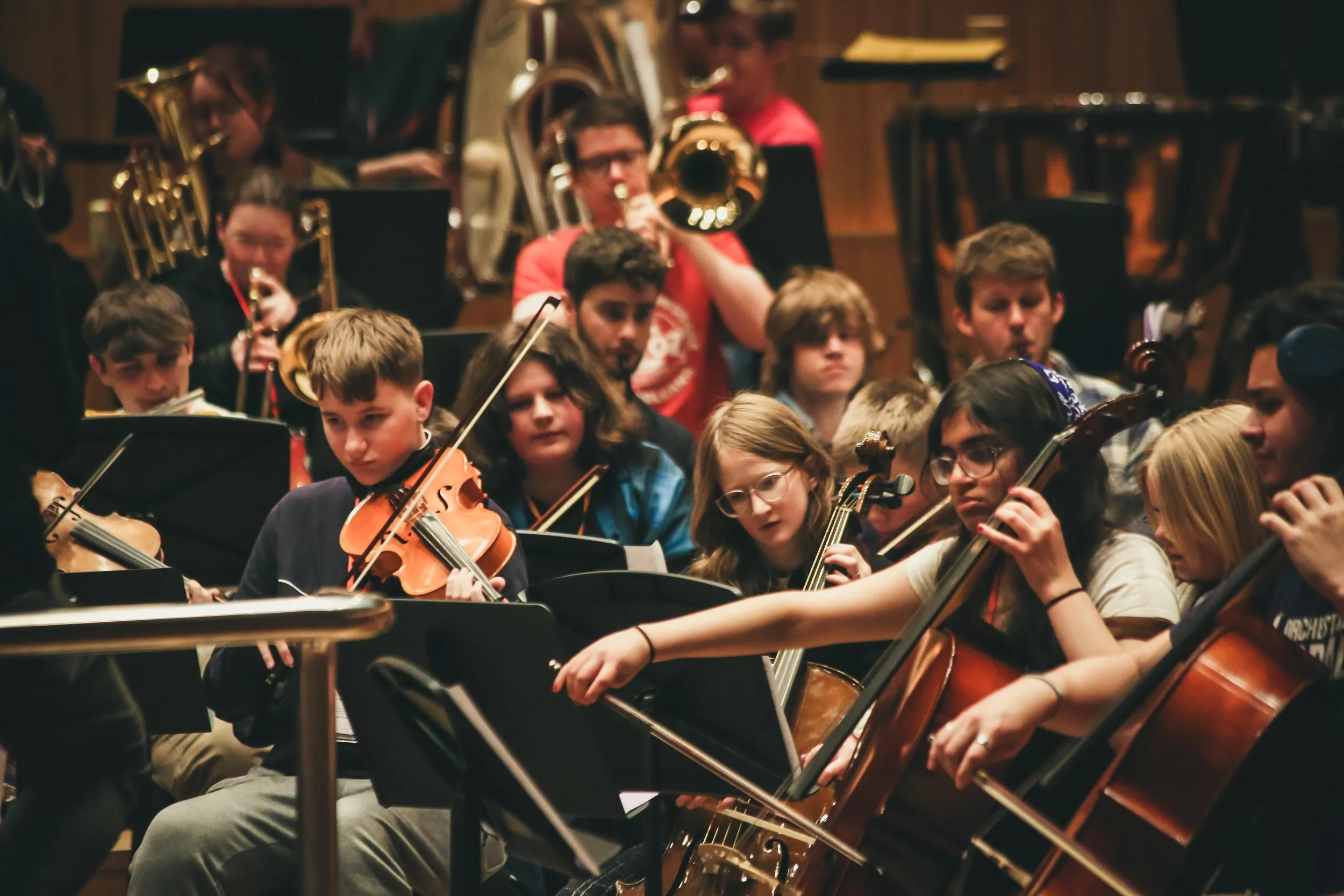
Orchestras for All joins Music Mark’s podcast to talk youth leadership

“If you make sure young people are genuinely heard and valued, you make better solutions for your charity,” says Executive Director Nick Thorne, as he and Youth Leadership Coordinator Laura Fullwood share how Orchestras for All embeds youth voice across everything they do, from music-making to governance.

9 reasons why youth orchestras are a force for social justice

The Modulo Spring Manchester orchestra

Driving positive change through ensemble music-making…

At Orchestras for All, we’ve seen firsthand the incredible impact that group music-making can have on young people, from all walks of life.

Here we share why our youth orchestras can be a powerful tool for social change…

1. They amplify young voices

Not only does music has the power to bring people together, it can give us a new way of expressing ourselves – no matter our background or personal circumstances. In a youth orchestra, everyone’s contribution matters equally, whether they’re playing the violin, melodica or triangle. This creates a safe space where all voices are heard and valued, breaking down social barriers and empowering young people within the orchestra setting and beyond.

Read more: “Orchestral music-making isn’t just for the few – it’s for everyone,” says Modulo Programme Manager, Charlie >

2. It builds a sense of community

Joining an inclusive youth orchestra helps young people to form new connections and feel less alone. Through attending regular sectional and full orchestra rehearsals as well as live performances, lasting friendships can be created and for the first time, many often feel they’ve found a place where they truly belong. This sense of community encourages ongoing collaboration and mutual support, which are both invaluable for personal growth and overcoming life’s challenges.

3. Youth leadership opportunities are created

In many youth orchestras, including those in our Modulo and National Orchestra for All (NOFA) programmes, there are exciting opportunities for youth leadership. This might include peer mentorship to support new or younger members, or joining a youth board to contribute ideas and help an organisation meet its future goals. These experiences help young people to develop core leadership skills that are often vital both in and out of the musical space. By taking on these responsibilities, they can learn how to make decisions, inspire others and manage multiple projects.

Read more: 7 wonderful ways that youth leadership will empower your youth orchestra >

4. Youth orchestras embrace diversity

An inclusive youth orchestra, like NOFA, celebrates a wide range of musical styles and traditions, reflecting the diverse backgrounds of its inspiring members. Through thoughtful and collaborative artistic programming, offering young musicians the chance to play music from different genres and composers, they can learn to appreciate and respect the cultures, interests and lived experiences of others, while also becoming more empathetic and understanding members of society.

5. They enable personal growth

Participating in a youth orchestra teaches young people important life skills, such as discipline, teamwork and perseverance. Plus, performing in front of others within a safe and non-judgmental environment can boost their confidence, which can support them to succeed in all areas of their lives. The dedication required to play music with others also improves work ethic.

Read more: Empowering young minds: the importance of young people’s mental wellbeing >

6. They can challenge elitism

Orchestral music has long been perceived as an art form that is only reserved for the elite. Inclusive youth orchestras like NOFA actively work to dismantle this stereotype by making ensemble music-making accessible to all, no matter where they come from, how they learn music or the instrument they choose to play. This encourages young people to challenge harmful misconceptions in all areas of their lives and make the world a better place.

7. They create widespread change

As well as being something for us to enjoy, music also has the unique power to inspire and drive social change. Youth orchestras often engage in outreach, whether that’s supporting important social causes or working closely with minority communities. Through these activities, young musicians can learn to become caring advocates for social justice, using their art to raise awareness and encourage positive action, with live performances often bringing the attention of audience to social issues and inspiring them to get involved.

Read more: 7 powerful benefits of inclusive music education >

8. They promote wellbeing

For many of us, playing music with others can be a real source of comfort and healing. Research has proven that music improves our mental health and is used frequently in psychotherapy to relieve conditions such as anxiety, stress and depression. At OFA, our commitment to wellbeing runs throughout our charity as we strive to equip all young people with the tools they need to tackle life’s challenges, enabling them to take ownership of their wellbeing and be the best version of themselves.

9. It inspires inclusivity

Finally, youth orchestras could be a crucial stepping stone for the arts sector to help it diversify, nurturing those from underrepresented communities. Representation doesn’t just encourage more young people from diverse backgrounds to pursue a new musical hobby or a career music; it sets a positive example to society as a whole, demonstrating that all young people deserve equal opportunities to thrive.

At Orchestras for All, we’re committed to using the power of youth orchestras to promote social justice. By removing musical barriers to participation, we hope to create a more equitable and harmonious community and encourage others to get involved!

Keen to support social change through music? Please donate what you can to our programmes:

21 female composers you really need on your radar

Pictured left to right: Dame Ethel Smyth, Yoko Shimomura and Cassie Kinoshi

Over the centuries, some of the world’s best-loved musical masterpieces have been written by women – and we’re here to celebrate them.

It’s no secret that in music, women are largely underrepresented – and it’s never been more important for us to address this issue.

According to research from Donne, which analyses composers’ works scheduled by 111 orchestras from 30 different countries, there is still much to be done.

Titled ‘Equality and Diversity in Global Repertoire’, the alarming research has shown that of the 16,327 concerts performed from 2023-2024, only 7.5% included works written by female composers – a statistic that has been steadily decreasing in recent years.

And perhaps more worryingly, only 1.6% per cent of those pieces were written by women from Global Majority backgrounds which is also lower than in previous years.

At Orchestras for All, we’re here to champion female composers every step of the way, so here are 21 women to be inspired by…

1. Dame Ethel Smyth

Ethel Smyth was a pioneering composer, conductor and suffragette, using music as a powerful tool for activism. Smyth is most well known for her opera The Wreckers, while her ‘March of the Women’ became the anthem of the suffragette movement.

She was the first woman to have an opera performed at the Metropolitan Opera in New York, breaking down barriers for women in orchestral music. Her work is bold, passionate and uncompromising – just like the composer herself!

Read more: 17 LGBTQIA+ musicians who totally rock our world >

2. Errollyn Wallen

Errollyn Wallen CBE is a Belize-born British composer whose work defies traditions. Not only is she a trailblazer in the classical world, being the first Black female composer to have her work performed at the BBC Proms (Concerto for Percussion, 1994), but she is also an accomplished singer-songwriter.

Wallen’s music spans a vast range of genres, from opera and chamber music to pop songs, blending classical traditions with influences from jazz, blues and contemporary styles. Earlier this year, Wallen also became the first Black woman to be proudly appointed as Master of the King’s Music.

3. Lucy Hale

Born in 1994, Lucy Hale inspired fans of orchestral music with her captivating compositions as well as being a role model for others living with disability. In 2019, Lucy became National Orchestra for All’s Inaugural Young Composer in Residence and worked closely with its diverse ensemble of 100 young musicians to create ‘Stories of Silk’ – specially written for NOFA’s 2019-2020 season, My Roots, Our Routes, exploring music inspired and influenced by human migrations and journeys.

After completing her studies for a Master of Music in Composition at the Royal Northern College of Music in 2017, she was appointed as inaugural Young Composer-in-Association with BSO Resound, Bournemouth Symphony Orchestra’s disabled-led ensemble. Alongside ‘Stories of Silk’, Lucy’s striking compositions include ‘Zeta’, ‘To Run With The Tigers’ and dramatic orchestral masterpiece, ‘Against the Tide’.

4. Dobrinka Tabakova

Born in Bulgaria and raised in London, Dobrinka Tabakova draws inspiration from medieval chant, minimalism and Eastern European folk traditions. Her music is filled with rich harmonies and luminous textures, creating deeply expressive soundscapes.

Her Concerto for Cello and Strings showcases her ability to blend tradition with fresh, modern sounds. As a composer-in-residence at the BBC Concert Orchestra, she continues to push orchestral music in new and exciting directions.

Read more: “Orchestral music-making isn’t just for the few – it’s for everyone,” says Modulo Programme Manager, Charlie >

5. Florence Price

Florence Price made history as the first African American woman to have her work performed by a major U.S. orchestra. Premiering in 1933, her Symphony No. 1 in E minor blends African American spirituals, Western classical forms and vibrant rhythms.

Last season, the young people in National Orchestra for All and our Modulo ensembles performed the spectacular ‘Allegro ma non troppo’ (first) movement from this symphony at arts venues nationwide, embracing Price’s groundbreaking legacy and keeping the work relevant today.

6. Mélanie Bonis

As a woman in 19th-century France, Mélanie Bonis faced significant barriers to become a composer. Despite her musical abilities and studying at the Paris Conservatoire, her parents opposed her ambitions, believing it was not a suitable profession for a woman.

Incredibly, she went on to compose over 300 pieces of music, including orchestral, choral and chamber music that bridges the Romantic and Impressionist styles. Her Femmes de Légende piano suite, inspired by legendary women from throughout history, mythology and literature, highlights her powerful storytelling and unwavering beliefs. Today, her music is finally gaining the recognition it deserves.

7. Samantha Fernando

The music of Surrey-based composer, Samantha Fernando, stands out owing to its harmonic colour and resonance, which often gives her work a meditative quality – with Sense of Place (2014) and The Journey Between Us (2016) being two of her most popular works.

Samantha’s career as a composer has gone from strength to strength in recent years, having been commissioned by numerous ensembles and festivals – including the London Sinfonietta, Aldeburgh Music, the Oxford Lieder Festival and the Philharmonia Orchestra. Currently, the multi-award-winner is an Honorary Research Fellow in composition at Royal Holloway, University of London and in 2020, she took to Twitter for a live Q&A to share her musical expertise with the 100 young musicians of National Orchestra for All.

8. Fanny Hensel

Fanny Hensel, more commonly known by her family name, Fanny Mendelssohn, was a visionary composer and pianist, who fought against societal restrictions to compose over 400 works that showcase her bold, romantic spirit and lyrical melodies.

Hensel played a crucial role in Berlin’s musical scene, proving her unstoppable passion for composition and performance. Her composition Das Jahr, a twelve-piece piano cycle inspired by the months of the year, highlights her emotional depth and innovative style.

Read more: 7 ways to support musicians in the LGBTQIA+ community >

9. Nadia Boulanger

Nadia Boulanger wasn’t just a composer, she was a force in 20th-century music. As a conductor, educator and mentor to legends like Philip Glass, Aaron Copland and Quincy Jones, she has shaped the future of orchestral music.

Her own compositions, such as Three Pieces for Cello and Piano, reveal her deep understanding of form and emotion. Boulanger shattered barriers by becoming the first woman to conduct major orchestras, proving that leadership in music knows no gender.

10. Rebecca Clarke

A groundbreaking violist and composer, Rebecca Clarke redefined chamber music. Her Viola Sonata is hailed as one of the greatest viola compositions ever written, blending Impressionist colours with passionate Romanticism.

Aged 16, she auditioned for the Royal Academy of Music, gaining a place as a violin student. However, after just two years, her father made her leave when her harmony teacher proposed to her. She later attended the Royal College of Music, where she was the first woman to be taught composition by Charles Stanford. Although much of her work remained unpublished for years, Clarke’s compositions are now celebrated for their intensity, lyricism and daring harmonic choices.

11. Clara Schumann

Clara Schumann was not only a celebrated pianist but also a brilliant composer who shaped Romantic music. She composed her famous Piano Concerto in A minor at only 14 years old. She was also a dedicated mentor to Johannes Brahms and a champion of contemporary music in the mid 1800s, along with being one of the first musicians to perform from memory, revolutionising piano recitals.

Most of Schumann's music was never played by anyone other than herself, and was largely forgotten until the 1970s. Today her compositions are increasingly performed and recorded, gaining her the recognition she deserves.

12. Francesca Caccini

Francesca Caccini was a groundbreaking composer, singer and teacher who became the first woman to write an opera: La liberazione di Ruggiero (1625).

Whilst working in the Medici court – the home of one of the most influential musical, political and powerful families in Florence, she composed intricate madrigals (non-religious songs popular in the Renaissance and Baroque periods) and songs that displayed her love for drama, counterpoint and lyrical expression. Her work helped to lay the foundations of early opera and paved the way for women in a male dominated musical world.

13. Amy Beach

A self-taught composer and virtuoso pianist, Amy Beach broke down barriers by becoming the first American woman to compose a symphony, titled Gaelic Symphony. Her music is known for its sweet, Romantic-style orchestration and stunning lyricism.

She composed over 150 numbered works, nearly all of which were published, including choral works, church music, chamber works, cantatas and songs to words of Shakespeare, Robert Burns and Robert Browning. She was a true trailblazer, who championed women’s roles in composition and performance.

14. Joan Tower

Joan Tower is one of the most influential living American composers. She is most well known for her Fanfare for the Uncommon Woman, which is a powerful response to Aaron Copland’s Fanfare for the Common Man, celebrating women’s contributions to music and society. In 1990, she became the first woman to win the prestigious Grawemeyer Award for ‘Silver Ladders’, a piece she wrote for the St. Louis Symphony Orchestra, where she was Composer-in-Residence from 1985-1988.

During a career spanning more than 60 years, she has made lasting contributions to music in the United States and beyond as a composer, performer, conductor and educator. Her works have been commissioned by countless major ensembles, soloists and orchestras and are regularly performed worldwide.

15. Hildur Guðnadóttir

Born in 1982, Hildur Guðnadóttir is an Icelandic composer and cellist whose haunting, immersive soundscapes have transformed film and television scores. She made history as the first woman to win an Oscar for Best Original Score for Joker (2019).

Guðnadóttir has continued to be celebrated, winning a BAFTA, Golden Globe and two Grammy’s in her ncredible career so far. Her innovative use of electronics and live recordings has redefined the boundaries of composition for cinema and inspires composers across the world.

16. Margaret Bonds

Margaret Bonds was a composer and pianist whose music was deeply rooted in African American spirituals and activism. Bonds was the first African American woman to perform with the Chicago Symphony Orchestra, and was the featured pianist for the Woman’s Symphony Orchestra of Chicago’s performance of Florence Price’s Piano Concerto in D Minor. She also collaborated with poet, Langston Hughes, and wrote powerful choral and orchestral works, advocating for social justice through music.

This year, her composition ‘The Montgomery Variations’ has been featured as one of the BBC’s Ten Pieces. Written in response to the Montgomery Bus Boycott, a huge protest brought about by the brave actions of Rosa Parks, the piece is an incredible example of Bonds dedication to social activism and support of Black women at a time of segregation.

17. Louise Farrenc

Louise Farrenc was a pioneering composer, pianist and professor, now celebrated for her powerful symphonies and chamber music. As one of the few female professors at the Paris Conservatoire, she fought for and won equal pay, paving the way for future generations.

Her acclaimed Symphony No. 3 is a stunning example of 19th-century orchestral writing. She never received the popular recognition she deserved during her lifetime, but kept writing her music and fighting for gender equality.

18. Judith Weir

Judith Weir is a composer of lyrical, folk-inspired music. Originally an oboist, she was a member of The National Youth Orchestra of Great Britain and went on to study composition at both Cambridge University and the Boston University Tanglewood Institute.

Weir was the first woman to hold the title of Master of the King’s Music in the UK. Her operas, such as Blond Eckbert and Miss Fortune, blend contemporary themes with traditional storytelling, showcasing her unique voice in modern orchestral music.

19. Hildegard of Bingen

Born in 1068, Hildegard of Bingen was a medieval nun who went on to become not just a composer but a poet, theologian and visionary, and is one of the first known female composers. She lived until 81 years of age – an incredible feat in the eleventh century – and her music (known as ‘chants’) was truly ethereal and intensely spiritual. Hildegard even believed these chants were given to her in a series of visions.

Her sacred music remains as some of the most celebrated early music compositions, influencing generations of composers and musicians throughout history.

20. Yoko Shimomura

Yoko Shimomura is one of the most acclaimed female video game composers in history, known for her emotive, orchestral scores for Kingdom Hearts, Street Fighter II, and Final Fantasy XV. Born in the Hyōgo prefecture of Japan in 1967, Shimomura has had a passion for music and video games since she was a child, and been an active composer for video games for over 30 years.

Her work brings symphonic grandeur to gaming, proving that video game music belongs in the concert hall, and continues to play a crucial role in the lives of composers and gamers alike.

21. Cassie Kinoshi

Cassie Kinoshi is a Mercury Prize-nominated and Ivors Academy Award-winning composer, arranger and alto-saxophonist, blending jazz, classical and African rhythms. As the leader of SEED Ensemble, she challenges conventions and creates music that celebrates identity, culture and storytelling.

Kinoshi’s ‘the colour of all things constant’ is a beautiful new piece written for the BBC Ten Pieces, and co-commissioned by the BBC together with the ABRSM, Music for Youth and Royal Albert Hall. It was first played by the BBC Philharmonic Orchestra and included a powerful 40-strong choir of 16-18-year-olds.

At Orchestras for All, we believe that every voice deserves to be heard – and these composers remind us why representation matters. These extraordinary composers have shaped music in ways that continue to inspire generations. By celebrating their achievements and performing their works, we can ensure that their legacies continue to thrive and inspire future musicians.

Keen to support diversity in music? Please donate what you can to our inclusive programmes:

Empowering young minds: The importance of young people’s mental wellbeing

National Orchestra for All musicians smiling at the camera

Helping the next generation to flourish…

At Orchestras for All (OFA), we recognise the importance of supporting young people’s mental health. That’s why our life-changing musical programmes aim to provide a safe and inclusive environment where young people can grow in confidence, develop resilience and express themselves creatively.

At all our charity’s events, we have a dedicated Head of Wellbeing and Wellbeing tutors to further our ongoing commitment and evolving approach to wellbeing. Through this approach, we aim to equip young people with the tools they need to navigate life’s challenges, enabling them to thrive and be the best version of themselves.

To mark Children’s Mental Health Week this year, we’re taking a moment to share why supporting young people is so crucial in our ever-changing world and a few ways this can be encouraged.

Read more: 7 powerful benefits of inclusive music education >

Why is supporting young people’s mental health so important?

Modulo musicians enjoying a break from rehearsals

Modulo musicians enjoying a break from rehearsals

In the UK, the number of young people experiencing mental health problems is at an all-time high. With one in five children and young people aged 8-25 struggling with mental health difficulties and particularly following the effects of the pandemic, it has never been more important for us to take action. 

Taking a proactive approach to mental health early on can prevent other challenges from arising later in life. At OFA, we strive to support young people’s wellbeing from the very moment we start working together, helping them to develop healthy coping mechanisms, build self-esteem, enhance their emotional intelligence and set themselves up for a brighter future.

Plus, providing the right support doesn’t just benefit young people – it can also help society to become healthier and more empathetic as a whole.

Read more: 11 ways playing music with others can boost your wellbeing >

The impact of social media on mental health

It’s no secret that social media can be a fantastic tool for expressing ourselves creatively, connecting with likeminded groups of people and driving positive change.

However, a recent study from Yale Medicine found that children and teenagers who spend more than three hours a day on social media are at twice the risk of experiencing anxiety, depression and issues with self-esteem.

Last summer, a participant from our Modulo Programme told us: “The modern pressures we experience are definitely coming from social media. Although it can help a lot, there’s a bad side that comes with it.”

Taking place this year on 11 February 2025, Safer Internet Day is dedicated to highlighting how we can tackle the problem collectively, providing young people with safe methods of protecting themselves from online scams and sharing where they can seek support, should they need it.

Read more: 13 ways you can be kind to others in an inclusive youth orchestra >

How can you support young people’s mental health?

National Orchestra for All Ambassadors Tashan (left) and Haseeb (right) with percussionist Isaac (middle)

National Orchestra for All Ambassadors Tashan (left) and Haseeb (right) with percussionist Isaac (middle)

Keen to help but don’t know where to start? Here are a few top tips to get you started:

  1. Encourage open communication: Creating a safe space where young people feel comfortable expressing their feelings without judgment is vital. Active listening and validating their emotions helps to build trust and resilience.

  2. Support creativity and self-expression: Engaging in creative activities, such as music, art and writing, provides young people with a constructive outlet for their emotions. At Orchestras for All, we see firsthand how music positively impacts young people, boosting their confidence and emotional wellbeing.

  3. Promote a balanced lifestyle: Encouraging a balanced lifestyle that includes exercise, restful sleep and time away from screens supports overall mental and emotional health.

  4. Know where to find help: There are lots of organisations that can provide support for young people experiencing mental health difficulties – you can find helpful resources on our wellbeing page.

At Orchestras for All, we remain committed to nurturing the wellbeing of everyone we work with, whether that’s the inspiring young people who participate in our programmes or the caring staff that help make them happen.

If we work together to create safe and supportive environments, we can empower young people to navigate life’s challenges with confidence and give them the chance to thrive.

Have you been affected by the topic of this blog or are you currently experiencing mental health struggles? Please head to our wellbeing page for information about where you can receive the right support:

7 powerful benefits of inclusive music education

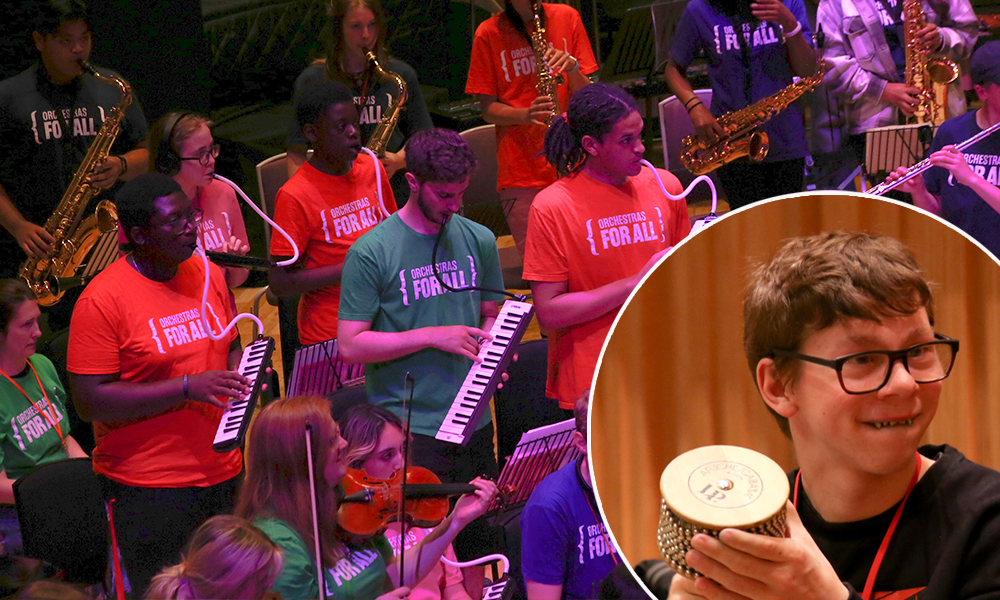
The National Orchestra for All melodica section, with an image of percussionist, Isaac, in the bottom right corner

It really is a game changer...

At Orchestras for All (OFA), we believe that every young person should have the opportunity to experience the joy of music-making with others, regardless of their background, ability or personal circumstances.

We know that inclusive music education can transform young lives and as part of this, creating a friendly and open environment for our ensembles is key to ensuring that all participants are given an equal chance to thrive.

Read on as we explore seven powerful benefits of inclusive music education and why it’s essential to create safe spaces where all young people feel seen, heard and valued.

1. It builds a culture of kindness

Inclusive music education is about so much more than just creating music – it's about making sure every individual feels valued and understood. When diverse groups of young people come together, each with their own unique story and perspective, they can learn to listen, support and respect one another. These skills are essential not just in music but also in life, encouraging young people to become more compassionate and engaged members of society.

At OFA, our commitment to inclusivity and wellbeing is seen at every level of our organisation – from how our core team and freelance staff collaborate, to how we engage and work with the young people who participate in our programmes, fostering an environment of kindness and understanding for all.

2. It breaks down social barriers

One of the most powerful benefits of inclusive music education is its ability to bring together young people from different social, cultural and economic backgrounds. In a supportive, inclusive ensemble, young people can form meaningful connections over their shared love of music without the social barriers they often face in other settings. Taking an inclusive approach enables young people to build lasting friendships and it instils a sense of belonging.

Both our National Orchestra for All (NOFA) and Modulo programmes bring together hundreds of young people from across the UK with diverse backgrounds who might not have met ordinarily. By the end of each rehearsal or live event, it’s clear for us to see how our accessible activities encourage new bonds and there’s always a buzz in the room!

Read more: Celebrating music and togetherness: Read our latest Impact report >

3. It improves health and wellbeing

Did you know that playing or listening to music can lower your blood pressure? According to Harvard Medical School, a nurse-led team at Massachusetts General Hospital found that patients who listened to music for 30 minutes had lower blood pressure, slower heart rates and showed fewer signs of distress than those who hadn’t listened to music.

Plus, it’s been scientifically proven that listening to music can promote a sense of calm and lower levels of cortisol, also known as your stress hormone. If you’re a young person and struggling with symptoms of anxiety, depression, trauma or grief, learning to make music with others in an inclusive setting can be a powerful tool to aid your recovery and help you cope in difficult times.

4. It celebrates diversity

Inclusive music education is all about embracing what makes each of us unique. Every young musician can bring something special to an ensemble, whether that's a different way of thinking and learning, or showing their peers a new way to express themselves. In an inclusive setting, there are no “right” or “wrongs”, empowering young musicians to speak up, share their point of view and take risks without the fear of being judged.

At OFA, our repertoire is chosen in collaboration with the young people we work with, so our programmes are jam-packed with pieces of music from multiple genres, reflecting the diversity of the young people who play them.

We also embrace different methods of learning, whether that’s by ear (rather than reading from traditional scores), Braille sheet music or colour-coded visual maps as an alternative form of notation. When everyone feels welcome and valued in an ensemble, it only serves to enrich group rehearsals and makes the music played even more meaningful.

5. It boosts confidence and self-esteem

As well as improving musical ability, inclusive approaches to music education can encourage personal growth, boosting young musicians’ confidence and self-esteem, while also developing their emotional intelligence and resilience.

As young people work together to overcome challenges, they can learn to manage their emotions, express themselves effectively and support others. These skills can be applied to all areas of life, whether that’s navigating social situations and relationships, coping with stress at work and school, or taking pride in personal achievements.

At NOFA residentials, members have the opportunity to take centre stage outside of full orchestra rehearsals and perform a piece of their choice in our famed recital evening, regardless of their skill level. This has become a true NOFA highlight, celebrating each young musician’s journey and providing them with a platform to grow.

Read more: Your voice matters: share your thoughts in Orchestras for All’s new brand survey >

6. It creates new opportunities for young people to shine

By providing tailored support to each individual through our expert team of orchestral and wellbeing tutors, inclusive music education at OFA enables young people to build upon their strengths and make meaningful contributions outside of the rehearsal room.

For example, our inspiring NOFA alum, Christian Dews, felt empowered to write his own composition after leaving the orchestra – and we’re very pleased to share that his brilliant work now features in this season’s NOFA repertoire.

At OFA, we’re committed to creating other opportunities for inclusive youth leadership too. This includes building teams of Ambassadors (paid roles for NOFA alums), creating roles in our core team, freelance team and Board of Trustees, and inviting young people to share their thoughts on our Youth Board. We want to give everyone a chance to shine and encourage our community to grow in a way that works best for them.

Read more: ‘Investing in youth leadership is crucial for shaping the future of the arts,’ says National Orchestra for All alum, Elen >

7. It improves teamwork

When it comes to music-making, collaboration is key. Every musician’s contribution is valued, whether they’re playing a stunning solo or supporting others in their instrumental section. Teamwork teaches young people how to listen, work together towards a common goal and be accepting of different ideas.

Last season, NOFA members enjoyed an inclusive workshop led by multi-instrumentalist and composer, Joe Broughton, in which they improvised to co-produce a powerful new piece of music, titled ‘Strength in Numbers’.

At OFA, we’ve witnessed firsthand the many benefits that come with inclusive music education, transforming young lives forever. Thank you to our generous funders, individual donors and supporters for continuing to champion our inclusive programmes. Let’s keep breaking down those musical barriers and set up young people for a brighter future.

Keen to support our inclusive work? Please donate what you can to our charity:

9 groundbreaking Black composers you really need to know

Pictured left to right: Florence Price, Errollyn Wallen and William Grant Still

Looking to broaden your musical world? Then look no further...

Here at Orchestras for All, we truly champion equality, diversity and inclusion, whether that’s relating to the young musicians we work with or the music they perform.

That’s why we’re taking a moment to celebrate the powerful musical contributions of Black composers throughout music history.

From classical pioneers to modern genre-benders, here are nine inspiring composers who reshaped the world of music as we know it, often breaking down barriers and blazing trails along the way! (Trust us, you’ll want to add them to your next playlist…)

Read more: Music making across borders: A memorable week in Vienna with Superar >

1. Florence Price (1887–1953)

Florence Price made history as the first African American woman to have her work performed by a major U.S. orchestra. Premiering in 1933, her Symphony No. 1 in E minor blends African American spirituals, Western classical forms and vibrant rhythms.

This year, the young people in National Orchestra for All and our Modulo ensembles performed the spectacular ‘Allegro ma non troppo’ (first) movement from this symphony at arts venues nationwide, embracing Price’s groundbreaking legacy and keeping the work relevant today.

2. Errollyn Wallen CBE (b. 1958)

Errollyn Wallen CBE is a Belize-born British composer whose work defies traditions. Not only is she a trailblazer in the classical world, being the first Black female composer to have her work performed at the BBC Proms (Concerto for Percussion, 1994), but she is also an accomplished singer-songwriter.

Wallen’s music spans a vast range of genres, from opera and chamber music to pop songs, blending classical traditions with influences from jazz, blues and contemporary styles. Earlier this year, Wallen also became the first Black woman to be proudly appointed as Master of the King’s Music.

““Anyone from anywhere can be a composer. If, along the way, I have helped to dispel the myth that a composer is only white and male, that can only be a good thing.” ”
— Errollyn Wallen CBE, in an interview with the Scottish Chamber Orchestra

Plus, music runs in the family as Errollyn’s brother, Byron Wallen, is also a distinguished jazz trumpeter, who previously led one of our Modulo workshops to share his passion for brass instruments and rhythm with the young people participating in the programme!

3. William Grant Still (1895–1978)

Often referred to as the “Dean of African American Composers” due to all the firsts he achieved, William Grant Still composed over 150 works, including symphonies, operas, ballets and chamber music.

Blending classical forms with blues and jazz, Still’s invigorating Afro-American Symphony (1930) was the first symphony penned by a Black composer to be performed by a major U.S. orchestra.

Read more: Investing in youth leadership is crucial for shaping the arts >

 4. George Walker (1922–2018)

Pianist and organist, George Walker, was the first Black composer to win the Pulitzer Prize for Music and in 1996, he was awarded for his dramatic work, Lilacs, written specially for soprano or tenor and orchestra.

Walker’s musical style blends classical, modernist and African American elements, and he is known for composing across multiple genres – from full-scale orchestral works to solo piano pieces, showcasing the breadth of his skill.

5. Joseph Bologne, Chevalier de Saint-Georges (1745–1799)

Joseph Bologne, Chevalier de Saint-Georges, was a virtuoso violinist, conductor, composer and soldier of Afro-Caribbean and French descent.

Born in the French colony of Guadeloupe, Bologne had an extraordinary life. He was a prolific composer, writing symphonies, operas and chamber music, which led to him becoming one of the most celebrated musicians in 18th-century France.

Today, Bologne’s vast catalogue of music, which includes the sweet-sounding ‘Trois Sonates’ for keyboard and violin (1770), continues to inspire musicians and audiences worldwide. His life as a composer and swordsman is the stuff of legend – so much so, it was portrayed in the 2022 film, ‘Chevalier’, marking him as one of the earliest and most inspiring Black figures in classical music history.

6. Samuel Coleridge-Taylor (1875–1912)

A British composer of Sierra Leonean descent, Samuel Coleridge-Taylor was a major figure in early 20th-century music.

While perhaps best known for his stunning work, Hiawatha’s Wedding Feast (1898), which brought him international fame, Coleridge-Taylor also used his platform to advocate for racial equality and celebrate African heritage.

His compositions merge classical traditions with African rhythms and melodies – an approach we also like to take at Orchestras for All as we embrace different cultures and genres in our repertoire to reflect the diversity of the young musicians we support.

7. Shirley J. Thompson OBE (b. 1958)

Shirley J. Thompson OBE is a British composer, conductor, violinist and academic of Jamaican descent, renowned for her orchestral works, film scores and operas as well as for being a cultural activist.

Thanks to her striking 21st century symphony, New Nation Rising (2002), celebrating London’s diverse histories through thematically linked movements, Thompson made history as the first woman in Europe to have composed and conducted a symphony within the last 40 years.

In 2002, the work was even performed live in the UK by The Royal Philharmonic Orchestra to mark the Queen’s Golden Jubilee!

Read more: Orchestras for All invites young musicians to join its new season of inclusive programmes >

8. Ignatius Sancho (1729–1780)

British composer, writer and abolitionist, Ignatius Sancho, was one of the first people of African descent known to have voted in a British election in 1774. Though born on a slave ship, Sancho eventually became a free man and prominent figure in London society. He composed a collection of music for dance, including minuets, cotillions and country dances.

Sancho’s compositions, including ‘Sweetest Bard’ and ‘Friendship Source of Joy’ (1769), offer a rare glimpse into the life of a Black composer in 18th-century Britain, making him a significant figure in both music history and the abolitionist movement.

9. Courtney Pine (b. 1964)

Courtney Pine is one of the UK’s most celebrated jazz musicians and composers. Over the course of his career, Pine has revolutionised the British jazz scene, blending this musical genre with reggae, hip-hop, drum and bass as well as soul to create a distinctive and powerful sound.

His impressive work as a composer spans everything from big band jazz to smaller ensemble pieces, with albums such as Journey to the Urge Within having earned critical acclaim worldwide.

Pine’s dedication to pushing boundaries in music, while also staying true to his heritage, has made him a key figure in British music today.

At Orchestras for All, we continue to take inspiration from composers of all backgrounds when collaborating on new programmes of repertoire, empowering the young people we work with to take ownership over their learning, explore their creativity and embrace different cultures and genres within a welcoming and supportive setting.

Keen to increase access to music-making and provide new opportunities for young people to create music together? Please donate what you can to our programmes:

5 reasons why becoming an Orchestras for All Trustee is the volunteer role you never knew you needed

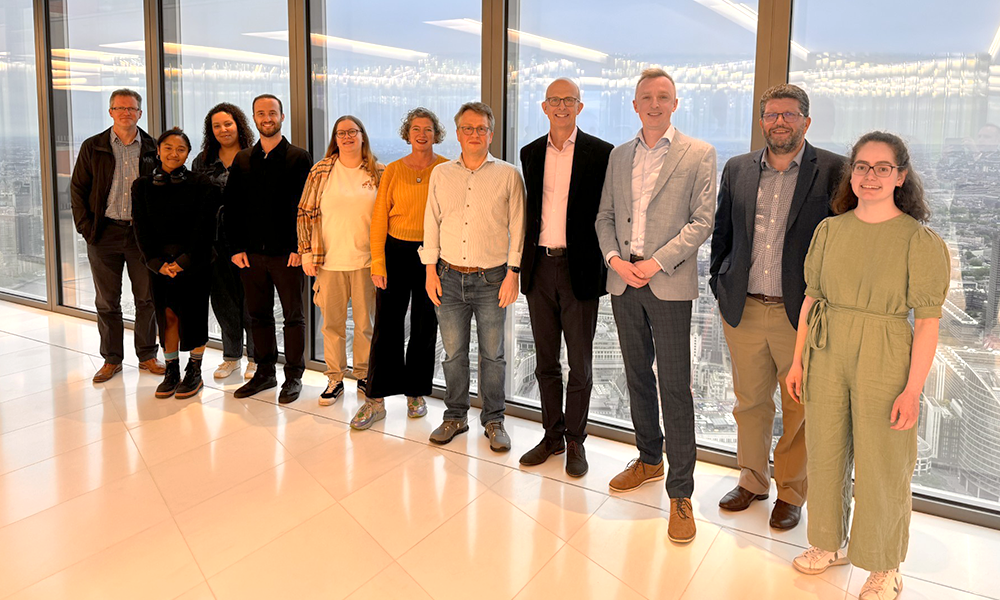
This image shows a group of 11 people, including OFA trustees and members of the core team standing together for a photo. They are all smiling and there is a view of the London skyline behind them. They are wearing smart clothes.

Making a difference: Trustees and members of the core team gather for a meeting in London.

Ever considered becoming a charity trustee? Here are just some of the brilliant ways you could benefit…

At Orchestras for All (OFA), trustees play an integral role in our team, using their expertise to help us fulfil our mission: breaking down barriers to music-making for young people in the UK.

Our passionate volunteers bring invaluable support in areas such as fundraising, finance, HR, and digital marketing. Their contributions make a significant impact on the lives of thousands of aspiring young musicians and drive lasting change in society.

Joining the Orchestras for All family in this dynamic and inspiring role offers numerous benefits for you as well.

To learn more, we spoke with two of our former trustees—Emily, a Lecturer at Canterbury Christ Church University, and Kate, Director at Western Jerwood Creative Bursaries—as well as our current Co-Chairs of the Board of Trustees, Beth and Joelle.

Read more: Welcoming a new Co-Chair: Beth White takes up new role as Orchestras for All’s Co-Chair of the Board of Trusteees >

Pictured: Trustees, Ambassadors and OFA team members enjoy a group discussion during an away day.

1. You’ll experience the joy of live (and virtual) events

Emily: When our artistic events are live, the concerts and fundraising activities are hugely enjoyable. Talking to the supporters, young people and their families and seeing the performances themselves is a powerful motivator!

During the pandemic, being invited to OFA’s online events and viewing the videos created after the courses was definitely a lockdown highlight too.

Kate: The pride I feel when the orchestra plays to a packed audience of thousands at the First Direct Arena in Leeds, or when a player talks about the impact of OFA on their life, is immense.

Please donate today and make a difference to young musicians’ lives >

2. You’ll contribute to a great cause

Joelle: I’ve been part of Orchestras for All since 2016 and gained so much knowledge and musical appreciation from the charity, which I’m really grateful for. I’d like to take this opportunity to give back to OFA, an organisation that has given me so much.

Being a trustee is a great opportunity to make an impact within the charity and represent the young people as a young person.

Beth: I would like to bring the voice of the people that benefit from, or have benefited from, the programmes at Orchestras for All. I’m excited to support OFA to launch its new strategy in the best way possible.

Emily: Hearing from our Youth Board about the difference that Orchestras for All has made to their lives is key – and celebrating the successes of the young people OFA works with in a range of fields proves it is making an impact.

Kate: I feel I have played my part, however small, in helping to break down barriers to music-making for young people. Being an OFA trustee gave me a fantastic insight into what goes on behind the scenes to make the charity’s vision a reality. 

3. You can build your professional network

Emily: Being involved in recruitment for key positions is a very practical way of seeing how the charity’s strategy is being implemented and ensuring that it has the skills in its team to achieve it. Helping to build a super team is very satisfying! 

4. You’ll make friends for life

Emily: It’s so wonderful to meet like-minded individuals with a common goal. The thrill when you find out that applications to trusts, foundations and grants have been successful is wonderful and shows that other organisations share and understand our vision. The artistic update at every trustees’ meeting keeps you focused on the art and lets you know what the young people (and the audience) have to look forward to at the next performance.

Beth: When I joined Orchestras for All, I was 13 years old. Before then, I’d only had access to brass bands, so for me it was a great opportunity to join an ensemble and meet people from different backgrounds from around the country. It was my only source of diversity growing up, and I still benefit from this now as a trustee.

5. It looks great on your CV

Kate: I have learnt so much over my years as a trustee about how to make music-making accessible to all young people and this knowledge helps me with my day job promoting diversity and inclusion in the arts.  It really is a two-way exchange of experience between the charity and its Board. 

Emily: As a volunteer, feeling like you are making a difference is vital – if you work for a very large organisation in your day job (as I currently do) you can feel like a tiny cog in a very big machine. But as a Trustee, you feel more like you are the sat nav or co-pilot on an exciting journey. Come and help drive Orchestras for All forward to its next destination!

Keen to become an OFA Trustee? Find out more and apply for our current vacancies >

11 ways playing music with others can boost your wellbeing

From feeling more confident to improving your mood, being part of a youth orchestra can work wonders for your mental and physical health.

According to the World Health Organization (WHO), mental health is an essential part of general health: “Health is a state of complete physical, mental and social wellbeing and not merely the absence of disease or infirmity.”

A recent study by Music Minds Matter, which explores mental health and the music industry, also found that 71.1 per cent of respondents believed they had experienced panic attacks and/or high levels of anxiety, 68.5 per cent said they had experienced depression, and 55 per cent believed they were “gaps in the provision of services for musicians.”

At Orchestras for All, we understand just how comforting it can be to play music with others during tough times. If performing with other musicians is completely new to you or music education has been limited in your school or local community, joining a large group like National Orchestra for All might not be something you’ve ever considered doing.

But when you’re part of the Orchestras for All family – or any youth orchestra for that matter – the benefits to your health and wellbeing are endless. Here are just a few of the ways this magical musical experience could give you a boost…

Read more: ‘I’m a busy young carer – but National Orchestra for All is a place just for me’, explains violinist >

1. You’ll meet new friends

We’ve all been there: turning up to your very first orchestra rehearsal and not knowing a single soul. But stick with it and soon enough, you’ll be boosting your social skills, forging lifelong friendships and building happy memories with fellow musicians over forgotten pencils, funny stories shared during the break and of course, the conductor’s dramatic facial expressions.

2. Music enhances your memory

Although music affects people in different ways, previous studies have shown that musicians tend to have a better working memory and show less brain activity while carrying out a task than those who haven’t received any form of musical training. Listening to music or practising your instrument could even increase your alertness and improve your focus – if you’re revising for an exam, why not give it a try?

3. You can express yourself

When you’re part of an inclusive group like National Orchestra for All, you’ll always be encouraged to express yourself and your emotions in a way that works for you. Whether that’s showcasing your passion for woodwind with a pretty flute solo, enjoying a witty moment with your neighbour in the brass or trying something entirely new on your instrument, musical expression is truly for everyone.

4. Music is good for your heart

Did you know that listening to music can lower your blood pressure? According to Harvard Medical School, a nurse-led team at Massachusetts General Hospital found that patients who listened to music for 30 minutes had lower blood pressure, slower heart rates and showed fewer signs of distress than those who hadn’t listened to music. Better protect that ticker and pick up your oboe…

5. You’ll feel more relaxed

It’s been scientifically proven that listening to music can promote a sense of calm and lower levels of cortisol, also known as your stress hormone. If you’re a young person and struggling with symptoms of anxiety, depression, trauma or grief, music-making can be a powerful tool to aid your recovery and help you cope in difficult times.

6. You’ll develop your communication skills

Some of you may find communication to be a challenge in your daily lives – especially if you’re low in confidence or living with spectrum conditions such as autism – but music is a universal language. From learning how to read a conductor’s visual cues to connecting with others through pitch and rhythm, youth orchestras can teach you one of the most powerful forms of communication and enrich your life as a result.

7. Music improves your mood

This may come as little surprise to you, but hearing your favourite song can evoke feelings of happiness – and especially if it gives you the chills! When you’re performing a beautiful selection of repertoire in an orchestra, your brain actually releases more dopamine, the feel-good chemical. If you’re having a rough day and are in need of some uplifting music, there’s only one thing for it: head straight to that orchestra rehearsal.

8. Music can alleviate physical pain

Although the biological reason behind this remains relatively unknown, a study has shown that listening to music can ease the symptoms of people living with chronic pain. Plus, music therapists often use techniques such as playing instruments, improvisation and composing to help patients experiencing pain. Performing in a youth orchestra can be just as effective – immersing yourself in stunning sound can work wonders for your health.

9. You’ll sleep like a dream

While soothing melodies can make you feel more relaxed, they can help slower your breathing and improve your sleep quality too. By taking a breather and enjoying a moment of music and togetherness with your orchestra pals during those weekly afternoon sessions, you might just find yourself nodding off more easily at night.

10. Music boosts your emotional development

From leadership skills and emotional intelligence to self-regulation, music-making with others can develop all kinds of vital skills that you can take forward and apply throughout your life. Higher levels of empathy, higher academic achievement and higher social competence have all been connected with healthy emotional regulation.

11. And finally, you’ll grow in confidence

At Orchestras for All, our friendly team are always on hand to support you through each and every stage of your journey with us. We know that music heals – and for us, building your self-esteem and growing in confidence as a performer are equally important. So, what are you waiting for? Join our musical family!

Please support the wellbeing of young musicians across the UK and donate today >